

Essential Guide for Tankless Heater Setup: Steps to Install a Tankless Water Heater
Installing a tankless water heater can be a smart upgrade for your home. These units provide hot water on demand, save space, and can reduce energy costs. However, the installation process requires careful planning and execution to ensure safety and efficiency. This guide will walk you through the essential steps for a successful tankless heater setup.
Understanding Tankless Heater Setup Basics
Before diving into the installation, it’s important to understand how a tankless water heater works and what you need for the setup. Unlike traditional water heaters that store hot water in a tank, tankless models heat water directly as it flows through the unit. This means you get hot water only when you need it, which can lead to energy savings.
Key considerations for your tankless heater setup include:
Power source: Tankless water heaters can be electric or gas-powered. Your choice will affect the installation process.
Water flow rate: Determine the flow rate needed to supply hot water to your household fixtures.
Location: Choose a spot close to where hot water is most used to minimize heat loss.
Ventilation: Gas models require proper venting to expel exhaust gases safely.
Planning these details ahead of time will make the installation smoother and more efficient.

Step-by-Step Tankless Heater Setup Process
Follow these steps carefully to install your tankless water heater:
Turn off utilities: Shut off the main water supply and power or gas supply to avoid accidents.
Remove the old water heater: Drain and disconnect your existing water heater if you are replacing one.
Mount the new unit: Secure the tankless water heater to the wall using the manufacturer’s mounting bracket.
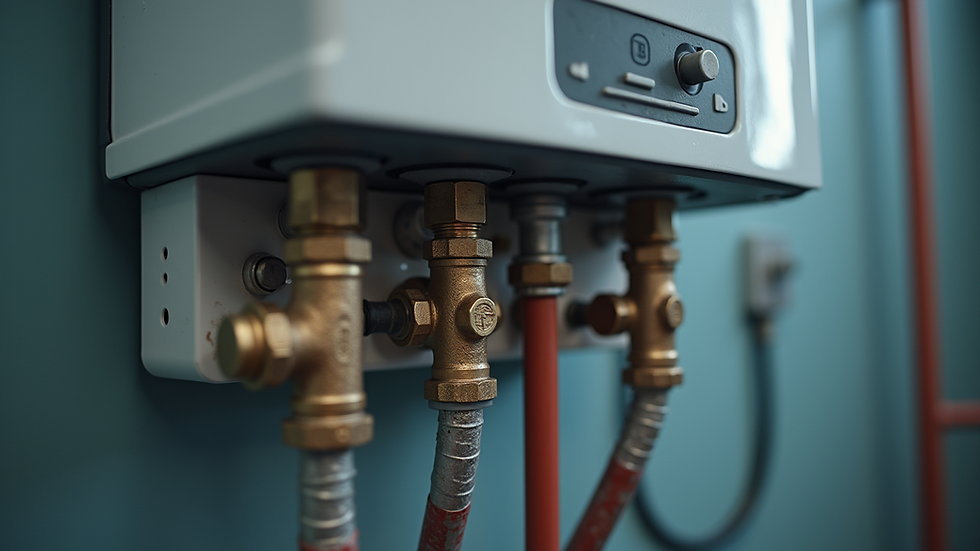
Connect water lines: Attach the cold water inlet and hot water outlet pipes to the unit. Use Teflon tape on threaded connections to prevent leaks.
Install the power supply: For electric units, connect the wiring according to local electrical codes. For gas units, connect the gas line and ensure there are no leaks.
Set up ventilation: If you have a gas model, install the vent pipe to direct exhaust gases outside.
Test the system: Turn on the water and power or gas supply. Check for leaks and proper operation by running hot water through the system.
Each step requires attention to detail to ensure safety and functionality.
Can I install a tankless water heater on my own?
Many homeowners wonder if they can handle the installation themselves. The answer depends on your experience and comfort level with plumbing and electrical or gas work.
Consider the following before deciding:
Skill level: Basic plumbing skills are necessary. Electrical or gas connections require more advanced knowledge.
Local codes: Some areas require licensed professionals to perform installations.
Tools and equipment: You will need specific tools such as pipe wrenches, voltage testers, and possibly a venting kit.
Safety: Improper installation can lead to leaks, electrical hazards, or carbon monoxide poisoning.
If you feel confident and have the right tools, you can attempt the installation yourself. Otherwise, hiring a professional ensures the job is done safely and up to code.
Tips for a Successful Tankless Water Heater Installation
To make your tankless water heater installation easier and more effective, keep these tips in mind:
Read the manual thoroughly: Manufacturer instructions provide important details specific to your model.
Check water pressure: Ensure your home’s water pressure is within the recommended range for the unit.
Use quality fittings: Avoid cheap connectors that may cause leaks or corrosion.
Insulate pipes: This helps maintain water temperature and improves efficiency.
Schedule a professional inspection: Even if you install the unit yourself, having a professional check your work can prevent future problems.
Following these recommendations will help you enjoy the benefits of your new water heater without issues.
Why Proper Installation Matters
Proper installation is crucial for the longevity and performance of your tankless water heater. Incorrect setup can lead to:
Reduced efficiency and higher energy bills
Frequent maintenance issues or breakdowns
Safety hazards such as gas leaks or electrical shorts
Voiding of manufacturer warranties
For these reasons, many homeowners opt for professional tankless water heater installation services. Professionals have the expertise to handle complex connections and ensure compliance with local regulations.
Investing time and care in the installation process will pay off with reliable hot water and peace of mind for years to come.


Comments